
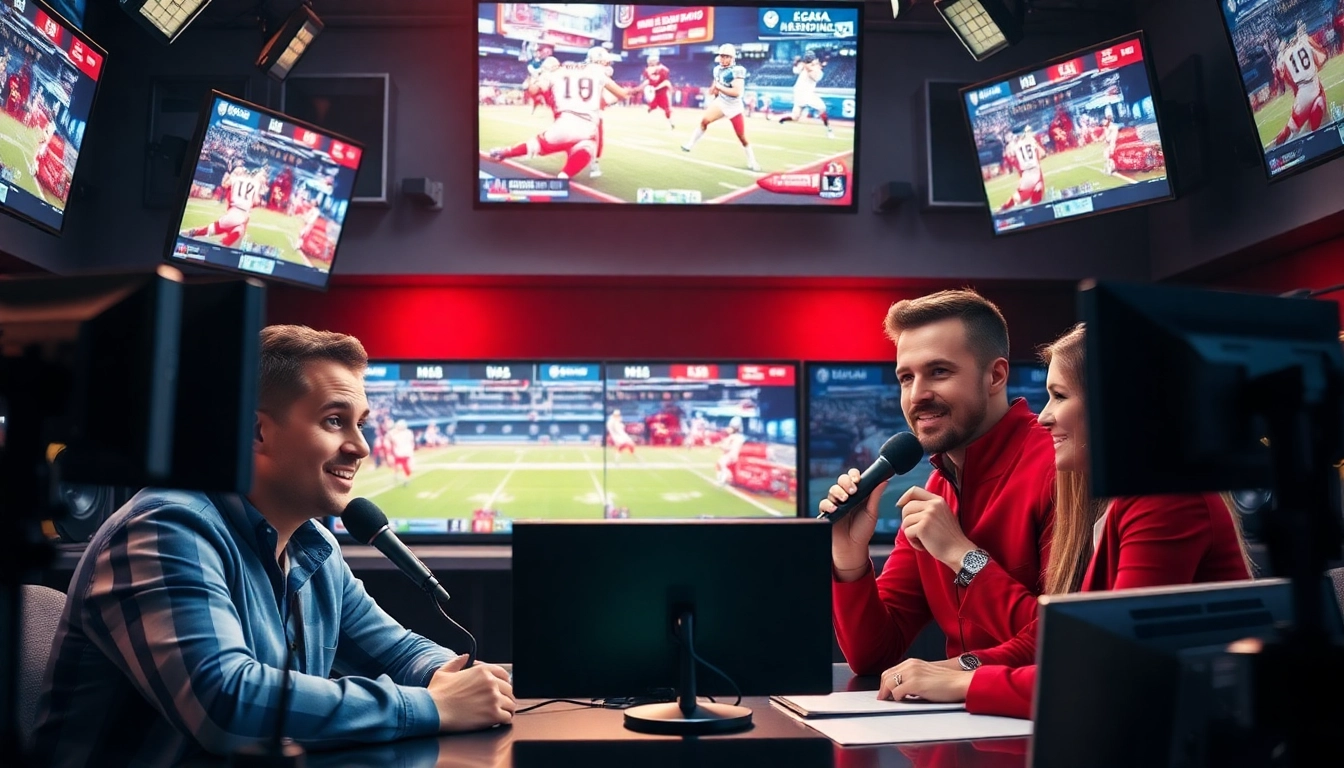
Understanding the Landscape of Sports Broadcasting
In a world where sports are integral to global culture, the domain of Sports Broadcasting serves as a crucial bridge between the events and the viewers that cherish them. The industry has evolved significantly, shaped by changing viewer preferences and rapid technological advancements. This article will delve into the historical evolution, current trends, and technological advancements in sports broadcasting while highlighting its importance in today's media landscape.
History and Evolution of Sports Broadcasting
The roots of sports broadcasting can be traced back to the early 1920s when radio stations began to air live updates of major sporting events. The first live sports broadcast was a boxing match in 1921, captivating listeners and setting the stage for what would follow. As the 20th century progressed, the advent of television transformed the industry, bringing visual coverage to a broader audience. Iconic events such as the Super Bowl and the FIFA World Cup have since been broadcast, drawing millions of viewers and revolutionizing how sports are consumed.
In the late 20th and early 21st centuries, the rise of cable television further diversified sports broadcasting. Networks started to specialize in sports content, creating dedicated channels that offered round-the-clock coverage of various events. This specialization allowed for enhanced production quality, including pre-game analysis, halftime shows, and post-game commentary. Moreover, the emergence of satellite and online streaming platforms has introduced new dynamics, allowing fans to engage in sports broadcasting anytime, anywhere. The continuous evolution of this sector illustrates its adaptability to societal changes and technological developments.
Current Trends in Sports Broadcasting
As the landscape of sports broadcasting evolves, several key trends are reshaping the industry. First and foremost is the shift toward digital and mobile streaming platforms. Viewers increasingly prefer consuming content via their smartphones and tablets, prompting broadcasters to invest in mobile apps and web-based services that provide access to live events, highlight reels, and expert analysis.
Another significant trend is the integration of augmented reality (AR) and virtual reality (VR) technologies. These tools enhance the viewer experience by offering immersive interactions. For instance, audiences can virtually attend games or see statistics overlaid directly on the live action. Additionally, applying analytics and data visualization has become vital for broadcasters in providing insightful commentary and real-time updates during events.
Finally, the societal movement toward inclusivity and diversity has led to more comprehensive coverage of women’s sports and niche athletic events. Broader representation not only acknowledges underrepresented sports but also attracts new demographics, ultimately enriching the sports broadcasting landscape.
Importance of Technology in Sports Broadcasting
Technology plays a pivotal role in enhancing the quality and reach of sports broadcasting. High-definition cameras and advanced broadcasting equipment have transformed how events are filmed and transmitted. This technology enables broadcasters to deliver high-resolution images, ensuring viewers experience every moment crystal clear.
Moreover, innovations in streaming technology allow for smoother broadcasts with less buffering, ensuring that viewers remain engaged. Live data analytics, powered by artificial intelligence, can provide instant statistics and insights, enriching the viewer’s understanding of the game with deeper narratives around performance and strategy.
The integration of social media and interactive features also enhances viewer engagement. Fans can share their thoughts in real-time during live broadcasts, participate in polls, and even influence camera angles they want to see. Thus, technology extends beyond mere transmission to create a more interactive and fulfilling experience for the audience.
Key Elements of Successful Sports Broadcasting
Engaging Audiovisual Content
Successful sports broadcasting hinges upon the creation of engaging audiovisual content that captivates audiences. Visual storytelling is crucial—broadcasters must not only present the game but also weave narratives that enhance viewer engagement. This involves highlighting player backgrounds, team rivalries, and critical moments that define games.
Furthermore, the use of graphics, slow-motion replays, and close-up shots greatly benefits the viewing experience. Viewers appreciate in-depth analysis and clarity in understanding plays, which can be achieved through well-crafted audiovisual content. Engaging commentary that resonates with the target audience enriches the experience, making viewers feel more connected to the events and players.
Audience Interaction and Engagement Strategies
Understanding the audience is paramount in sports broadcasting. Engagement strategies often involve creating interactive experiences, enabling viewers to participate actively rather than passively consuming content. This could include interactive social media campaigns where fans share their predictions for upcoming games or virtual fan zones during live events.
Moreover, broadcasters might employ live polling to gauge audience opinions during the broadcast. These strategies not only provide insights into viewer preferences but also help build a loyal fan base that feels invested in the content. By fostering a community around the broadcasting experience, networks can enhance viewer retention and loyalty.
Effective Use of Analytics in Sports Broadcasting
Data analytics serves as a crucial tool in modern sports broadcasting. By leveraging viewer insights, broadcasters can tailor content to meet the audience's preferences and habits. Analytics can highlight which segments receive the most engagement, allowing for data-driven decisions on content creation and scheduling.
Additionally, performance analytics during live broadcasts can enhance the depth of commentary. Broadcasters can provide viewers with real-time player stats and team performance metrics, enriching the narrative and adding educational value. This strategic use of data not only improves engagement but also positions broadcasters as authoritative voices in sports coverage.
Challenges in the Sports Broadcasting Industry
Legal and Regulatory Issues
The sports broadcasting industry is fraught with complexities surrounding legal and regulatory challenges. Broadcasters must navigate rights management meticulously, ensuring they have the proper licenses to air events. Copyright issues can arise from unauthorized clips being shared on social media or streaming platforms, leading to potential legal repercussions.
Furthermore, compliance with broadcasting standards and regulations varies across regions, posing challenges for networks operating internationally. Understanding local laws related to advertisements, sponsorships, and content standards is essential for maintaining legitimacy and market presence.
Sponsorship and Monetization Challenges
Sponsorship deals form a significant part of revenue generation in sports broadcasting. However, fluctuations in market interests can lead to challenges in securing lucrative sponsorships. Broadcasters must present compelling case studies demonstrating the reach and engagement of their viewership to attract sponsors.
In addition, the digital landscape introduces competition for advertising revenue. As more platforms vie for advertisers’ attention, traditional sports broadcasters must innovate their monetization strategies, exploring subscription models and exclusive content offerings to sustain profitability.
Competition and Market Saturation
The rise of various streaming platforms has led to market saturation in sports broadcasting. Traditional networks face stiff competition from digital newcomers that offer on-demand services and flexible viewing options. This shift necessitates that established broadcasters adapt their content strategies to retain their audience.
Moreover, for a network to stand out, it must focus on unique selling propositions—whether that’s exclusive rights to certain events, innovative broadcasting techniques, or enhanced viewer engagement strategies. Building strong brand identities and relationships with viewers can help mitigate the challenges posed by competition.
Future Directions of Sports Broadcasting
Emerging Technologies and Innovations
As the sports broadcasting landscape continues to evolve, emerging technologies will play a pivotal role in its future. Artificial intelligence and machine learning are likely to become essential tools for personalization, allowing broadcasters to deliver tailored content to viewers based on their preferences.
Moreover, 5G technology promises faster, more reliable streaming capabilities, enabling high-quality broadcasts without latency. Innovations in AR and VR will lead to more immersive viewing experiences, blurring the lines between in-person attendance at events and viewing from home.
Global Expansion Opportunities
The global appetite for sports continues to grow, presenting opportunities for broadcasters to expand into new markets. Targeting regions with emerging interest in specific sports can yield significant results, especially in countries where sports are gaining popularity.
Networking with local broadcasters can also facilitate entry into these markets. Establishing collaborations can help navigate cultural nuances, viewer preferences, and regulatory landscapes effectively.
Shifts in Viewer Preferences
As younger generations become the primary audience, their preferences significantly impact the future of sports broadcasting. This demographic favors digital platforms, interactive content, and on-demand viewing experiences. Broadcasters must evolve to meet these expectations by delivering content that aligns with new consumption habits.
Additionally, there is a growing interest in athlete-driven narratives and social content. Fans increasingly desire stories that go beyond the games, encompassing the lives of athletes and social justice initiatives. Catering to these interests can foster deeper connections and enhance viewer loyalty.
FAQs About Sports Broadcasting
What is sports broadcasting?
Sports broadcasting involves covering sports events through various media platforms like TV, radio, and online streaming. It aims to provide live coverage, analysis, and commentary to audiences.
How has technology impacted sports broadcasting?
Technology enhances viewer experience with high-definition broadcasts, real-time stats, and interactive features for audiences, creating a more engaging environment during viewing.
What are the key skills needed in sports broadcasting?
Essential skills include strong communication, analytical thinking, and expertise in media production and storytelling. This combination helps broadcasters connect with audiences effectively.
What challenges do sports broadcasters face?
Broadcasters may face legal regulations, competitive pressures, and the need to engage a diverse audience in a crowded market, requiring strategic planning and innovative solutions.
How can I get started in sports broadcasting?
Starting in sports broadcasting typically involves gaining relevant education, internships, and networking in the industry to build expertise and connections within the field.